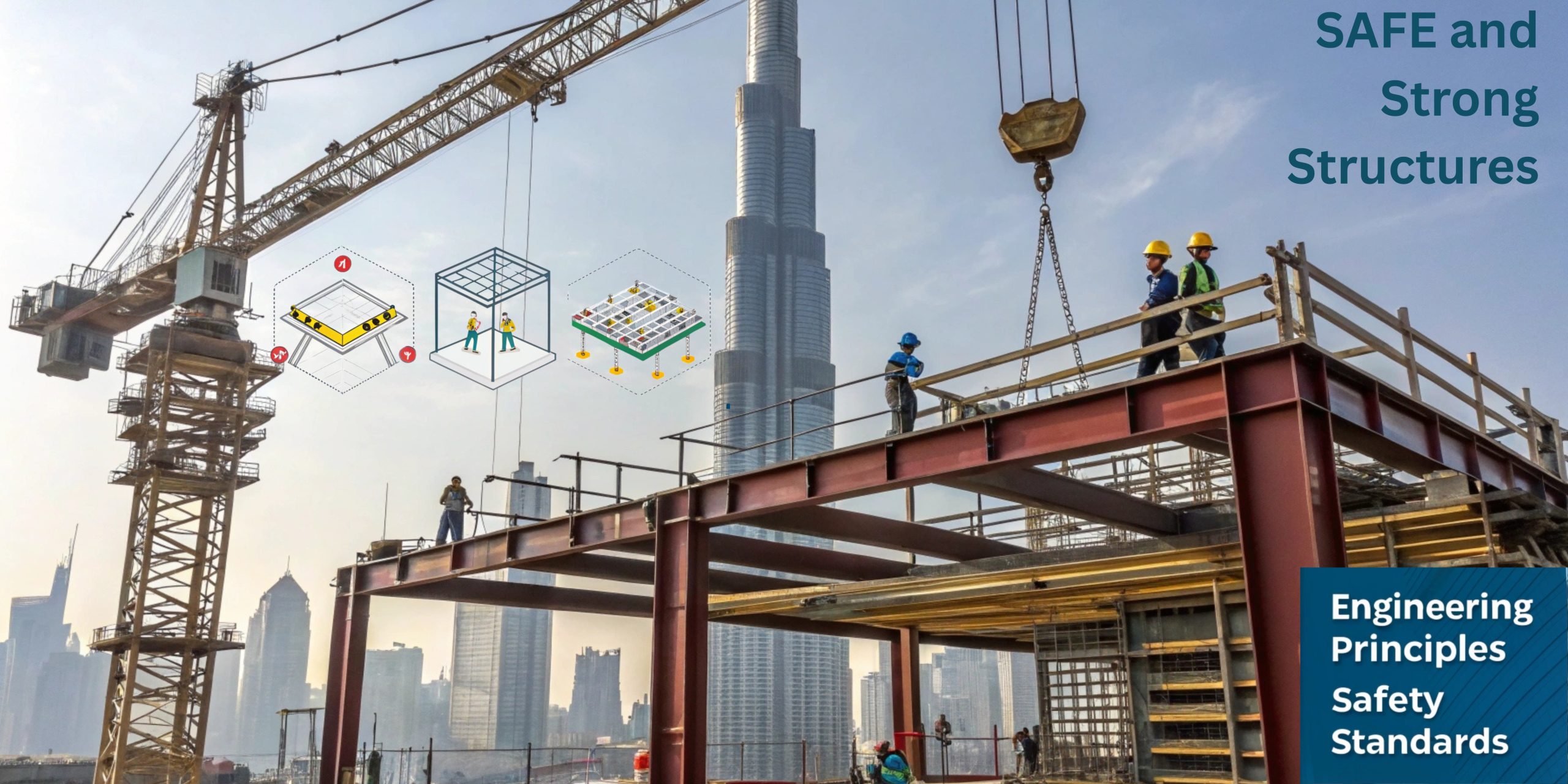
 Structural design is at the heart of every secure bridge, construction, or infrastructure project. The foundation of every construction that is sturdy for a long time is meticulous design, precise calculations, and a wealth of engineering experience. Structural engineers analyze the loads, materials, and environments to determine if buildings are solid under a variety of tensions.
In the modern age of construction, the design of structural elements has advanced beyond the traditional calculation. Engineers today rely on digital modelling tools and advanced collaboration platforms to increase precision and coordination. Professionals usually improve their technical capabilities by completing online BIM certificate programs and by employing bim software for civil engineers which lets them visualize the structural behavior before building begins.
Understanding the basic principles of structural design will help both professionals and students understand the way that safe and effective structures are constructed.
What Is Structural Design and Why It Matters
Structural design is the method of determining and planning the foundation of a structure or infrastructure system to ensure that it is able to withstand the pressures of environmental forces and loads. This assures that structures are stable and durable for the duration of their existence. Engineers establish the proper dimensions, shape, and material of structural elements like beams and columns, slabs, and foundations.
If the structure is not designed correctly without proper structural design, even the most stunning buildings can be a danger. Engineers should consider many aspects, including gravity loads, seismic force, wind forces and material properties. The aim is to design constructions that are not just robust but also cost-effective and efficient.
Design of the structure is crucial since it directly impacts security and performance over the long term. A properly designed structure distributes load evenly and stops excessive deformation or even failure. Incorrect design, on contrary, can result in the formation of cracks or structural problems or even collapse that is catastrophic.
Modern design practices often integrate digital modelling tools. A lot of professionals improve their knowledge by taking advantage of online BIM certificate programs which assist them to connect structural models to MEP and architectural systems. These programs let engineers test scenarios in real-time and spot possible issues in construction.
Key Objectives of Structural Design
- Securing stability and safety
- Optimising material usage
- Maintaining structural durability
- Assisting in the architectural vision
- Reduced construction costs
Structural design can also facilitate inter-disciplinary collaboration. The tools used to Bim for architects permit design teams to collaborate and ensure that creativity in architecture and structural safety are balanced.
How Engineers Transform Architectural Ideas into safe structures
The architectural concepts usually start as imaginative visions that focus on aesthetics, space experience and practicality. Engineers who understand structural engineering transform these ideas into solid and durable frameworks. This collaboration guarantees that the artistic style of design doesn’t hinder safety or efficiency.
The process starts by analyzing architectural plans and identifying components that will help support the building. Engineers decide on the most appropriate structure, which could be strengthened concrete frameworks, steel structure and composite structures. They calculate loads, and design structural elements capable of absorbing the load safely.
Engineers in structural engineering also evaluate environmental and material properties and environmental conditions. Earthquake forces, wind loads and soil conditions have to be studied carefully to ensure stability in the structure. By combining engineering concepts with design to transform architectural concepts into practical solutions for construction.
Modern digital technology has significantly enhanced this process. The tools included within bim software for civil engineers enable engineers to design precise 3D models that incorporate structural elements and architectural designs. This helps improve coordination and reduces the likelihood of conflicting designs during construction.
Collaboration Between Architects and Structural Engineers
- Architecture is about aesthetics and spatial design
- Structural engineers concentrate on the safety of their structures and load distribution
- The two teams collaborate using digital models
- Early collaboration helps avoid costly design modifications
Digital workflows that are integrated, which includes platforms utilized for bim for architects lets real-time collaboration. In the end, the design of structural elements becomes more precise efficient and flexible to complicated architectural forms.
Common Structural Failures and what Engineers Can Learn from These
Failures to a structure are not common, but they are important events that can provide important teachings for engineers. If a structure fails experts investigate the root cause closely to avoid similar problems to occur in the near future. Most of the time, these problems are due to design flaws or construction errors, materials defects, or unanticipated loads.
For instance, poor load calculations can result in structural components being too small. In addition, poor construction practices can make structural components more vulnerable to damage. The effects of environmental factors like floods, earthquakes, or strong winds could result in structural failures when they weren’t properly taken into account during the design process.
Each failure can teach engineers valuable lessons on safety margins, the behavior of materials, and structural resiliency. Through studying the history of past failures engineers are able to enhance design codes and construction standards to ensure that buildings are safe.
A lot of engineers today utilize advanced digital modeling to simulate structural behavior before construction starts. Professionals who are trained in online BIM certificate programs frequently learn about the ways that simulation tools detect weak points in design models. Engineers can test various scenarios and enhance the performance of their structural models.
Common Causes of Structural Failures
- Poor structural design calculations
- Inadequate material quality
- Construction errors
- The environmental forces are not taken into account
- Maintenance issues
Learning from mistakes is an essential part of progress in engineering. With the help of advanced technology, such as bim software for civil engineers, structural engineers can identify potential issues and create more durable structures.
MUST READ: How AI-Powered BIM Tools Are Changing Design Workflows (and What to Learn Next)
Understanding Loads: The Forces Every Structure Must Handle
Every structure has to withstand various kinds of loads during its lifespan. Structural engineers analyze these forces to ensure structures are safe and stable. The loads represent the forces that act on the structure due to environmental conditions, weight, and use.
The most fundamental load is dead load, which is that of the structure elements like columns, beams and slabs. Live loads refer to movable objects like furniture, people vehicles, equipment, and furniture. Environmental loads are snow, wind and earthquake forces that may vary based on the location.
An accurate calculation of loads is crucial to design structural structures. Engineers employ designs and mathematical models to calculate the amount and the spread of these loads. An accurate analysis can ensure that structural components are able to resist these forces without causing excessive damage or failure.
Types of Structural Loads
| Load Type | Description | Example |
| Dead Load | The structural elements are able to withstand the weight for a long time. | Concrete slab weight |
| Live Load | Moving loads from occupants and furniture | People living in a building |
| Wind Load | The pressure caused by powerful winds | High-rise building sway |
| Seismic Load | The forces that are generated during earthquakes | Impact of ground shaking |
Understanding how loads behave is crucial to ensure a safe design of structural structures. Engineers typically incorporate load analysis into digital platforms utilized to bim for architects that allow teams to visualize the way structural systems react to various forces.
From Blueprint to Reality: The Structural Design Process
The process of designing structural structures is a series of steps which convert initial ideas into functional and safe structures. Engineers start with conceptual designs, and they establish the foundational structure and the material to be used. The next stage is focused on the structural stability and feasibility.
After the design is approved engineers carry out precise calculations to design the individual elements like beams, slabs, columns and foundations. The structural drawings are then created to assist construction teams throughout the construction process.
The design phase also involves the coordination of other fields like mechanical systems, architecture along with electrical systems. The proper coordination makes sure that structural components don’t interfere with the other building services.
Modern construction heavily relies on digital models in this process. Professionals employ advanced platforms inside bim software for civil engineers to build model-based models that integrate structural elements to interact with the architectural and service systems.
Stages of the Structural Design Process
- Conceptual structural planning
- Analysis of load and calculations
- Design and detailing of components
- Drawings for structural construction
- Coordination with engineering disciplines in other fields
Digital collaboration is becoming increasingly crucial as part of this process. Professionals are able to learn these abilities through online BIM certificate programs that teach how to handle structural designs and enhance the coordination of design groups.
Why Good Structural Design Saves Lives and Costs
A good structural design isn’t just about precision in engineering but as important to protect life-saving human lives. Built structures that have adequate safety margins are able to withstand severe conditions like the effects of storms, earthquakes or the weight of heavy loads. This resiliency ensures the safety of those who live there and helps prevent the structural collapse.
In addition to security, an effective design of structures reduces the cost of construction. Through optimizing material use and increasing construction efficiency engineers can design and construct cost-effective projects without compromising on strength. The most efficient designs also minimize the maintenance cost over the lifetime of the building.
Another benefit of a good structural design is its sustainability. By choosing robust materials and effective structures, engineers can lessen the impact on the environment and reduce the use of resources.
Benefits of Strong Structural Design
- Safety for occupants is improved
- Lower possibility of structural failure
- Effective use of construction materials
- Lower long-term maintenance costs
- Improved structural durability
Digital modeling tools that are used for bim for architects permit engineers to explore various design options and determine the most efficient options. These tools support the larger concepts discussed in Structural Design and Safety Principles that emphasize safety and efficiency and the ability to withstand modern engineering.
Conclusion
Structural design is an essential discipline that helps ensure that structures and infrastructures remain solid, safe and durable. From analyzing loads, to selecting materials, and working with architects, structural engineers play a crucial part in translating designs into concrete structures.
With the advent of digital technology structural engineering is becoming much more accurate and collaborative. Professionals are increasingly dependent on tools like bim software for civil engineers and education programs like online BIM certificate programs to increase their technical skills.
Combining engineering knowledge using digital models, engineering expertise, and the lessons learned from previous projects, the structural engineer continues to design structures that are safe for people and provide support to modern cities. Understanding the principles of structural design can help us understand the intricate work involved in creating the secure and durable infrastructure that defines our world.
FAQs
1. What is structural design?
It is the process of designing buildings to make them safe, stable, and durable.
2. Why is structural design important?
It prevents failures, ensures safety, and improves the lifespan of structures.
3. What are the main types of loads?
Dead load, live load, wind load, and seismic (earthquake) load.
4. How do engineers ensure safety?
By doing calculations, following codes, and testing designs with models.
5. What is BIM in structural design?
It is a digital tool that helps create 3D models and improves coordination.
6. What causes structural failure?
Poor design, bad materials, construction mistakes, and ignoring environmental forces.
7. How does good design save costs?
It reduces material waste and lowers maintenance expenses.
8. What is the design process?
Planning, load analysis, design, drawings, and coordination.
9. Do architects and engineers work together?
Yes, they collaborate to balance design and safety.
10. Can structural design support sustainability?
Yes, it helps reduce waste and improves long-term efficiency.