 In any construction project, construction drawings form the foundation of execution. They help engineers, designers, contractors, and site teams clearly understand what needs to be built and how it should be constructed. However, not all drawings serve the same purpose. Among the most important types are IFC drawings and shop drawings. While they may look similar to beginners, they perform entirely different roles throughout a project’s lifecycle. Understanding these differences is essential for professionals working in architecture, engineering, and construction, especially those involved in digital workflows such as BIM for Civil Engineers or advanced coordination practices.
Introduction to Drawings for Construction
Construction drawings are precise graphical representations that convey design intent and the technical requirements, measurements and construction techniques. They are the official documentation to ensure the project’s execution. Without precise construction drawings, the site team would have a difficult time trying to understand the design specifications which could lead to delays, mistakes and overruns in cost.
In the modern world, plans for building aren’t restricted to sections and plans in 2D. They are usually derived from digital models created with BIM workflows. In the article BIM is being applied across Multiple AEC Fields, digital integration has revolutionized the way that drawings are created and reviewed before being shared. This integration helps ensure that structural engineers, architects and MEP teams work together rather than in isolation.
Construction drawings typically include structural plans, architectural layouts, MEP drawings, and detail sheets. Each drawing set has an individual purpose in different phases of a project. Professionals and students who are enrolled in the BIM certification course online on the internet knowing the structure and hierarchy of drawings for construction is crucial. It helps to understand how information about design flows from concept to design.
The most important elements that are typically found in construction drawings include:
- General arrangement plans
- Sections and elevations
- Drawings of the components in detail
- Specifications and notes
- Material schedules
These drawings serve as the foundation of IFC and shop drawings. IFC and shop drawing. However, the degree of detail and accountability with each kind of drawing differs considerably.
Understanding IFC Drawings
IFC is “Issued to Construction.” IFC drawings are the final and accepted construction Drawings provided by designers or consultants to be used on the site. They are a representation of the full intention of the design, after having been revised or approvals and inputs for coordination. After release they are the official documents of reference for contractors. IFC drawings outline dimensions, specifications for materials structural systems, as well as service layouts on a design level.
However, they don’t typically include detail at the fabrication level since their main function is to describe what has to be constructed, not the method by which each component is produced. For projects that involve BIM for Civil Engineers, IFC drawings are usually derived straight from coordinate BIM models to ensure that there is a consistent look between the digital models and the site documentation. For instance, when it comes to construction projects like bridges and roads, Construction Drawings clearly indicate the alignment, level and structural components that contractors need to follow in the course of construction.
Professionals who take an online BIM certification course online often learn about how IFC drawings are produced by models that are federated. They know that IFC drawings represent a vital moment in the project’s delivery. After the drawings are issued, any modifications need formal revision control procedures.
Some of the most significant features of IFC drawings are:
- The document was approved and signed by the consultants.
- Represent final design intent
- As legal and contracts documents
- Guided construction activities
IFC drawings offer clarity and authority. However, they’re not sufficient in detail to make a fabrication in a lot of cases. The responsibility for this lies with shop drawings.
Understanding Shop Drawings
Shop drawings are created by subcontractors, contractors or fabricators to describe the process by which specific components will be manufactured and put in place on site. Contrary to IFC diagrams, that represent the design intent that was approved within the larger collection of construction drawings Shop drawings concentrate on detail at the execution level. They translate ideas into practical designs which can be immediately implemented on the ground.
For instance structural IFC drawings might show beam dimensions and places, while shop drawings will provide specific reinforcement details like bar bent schedules lap lengths and anchorage information and connections methods. In the same way, IFC MEP drawings might depict duct routing in the building’s layout, whereas shop drawings will specify hanger spacing and joint details, as well as support systems, as well as fabrication specifications to install.
For MEP projects, experts who have been trained through an BIM MEP Course are aware of that shop plans are crucial for avoiding site conflicts. Shop drawings are typically developed following a review of IFC drawings and checking the site’s conditions. They are submitted to the site for approval before the fabrication process begins.
The most important features of shop drawings are:
- The documents are prepared by contractors or vendors.
- Include installation and fabrication details
- Submitted for approval of the consultant
- Specific to the component and highly detailed
Drawings for shop drawings ensure that every bolt or bracket is correctly defined prior to work begins at the site. This will reduce the need for rework and waste of material.
The key differences between IFC and Shop Drawings
Although IFC sketches and drawings for shop are intimately linked however their roles, responsibilities and degree of detail are different. Understanding the differences is crucial to ensure a proper coordination of the project and a smooth implementation. Each is part of the larger scheme that includes construction drawings however, they have distinct functions at various stages of a construction project.
The main difference is in the intent. IFC drawings outline what is to be constructed, and reflect the final design approved. Shop drawings describe how construction components will be constructed and put in place. IFC drawings are created and released by consultants and shop drawings are designed by fabricators or contractors. When projects are managed using BIM workflows, particularly for BIM for Civil Engineers This distinction is made more obvious. IFC drawings are drawn from coordinate design models and shop drawings usually include additional information such as clash resolution or constructionability tests to ensure smooth installation on site.
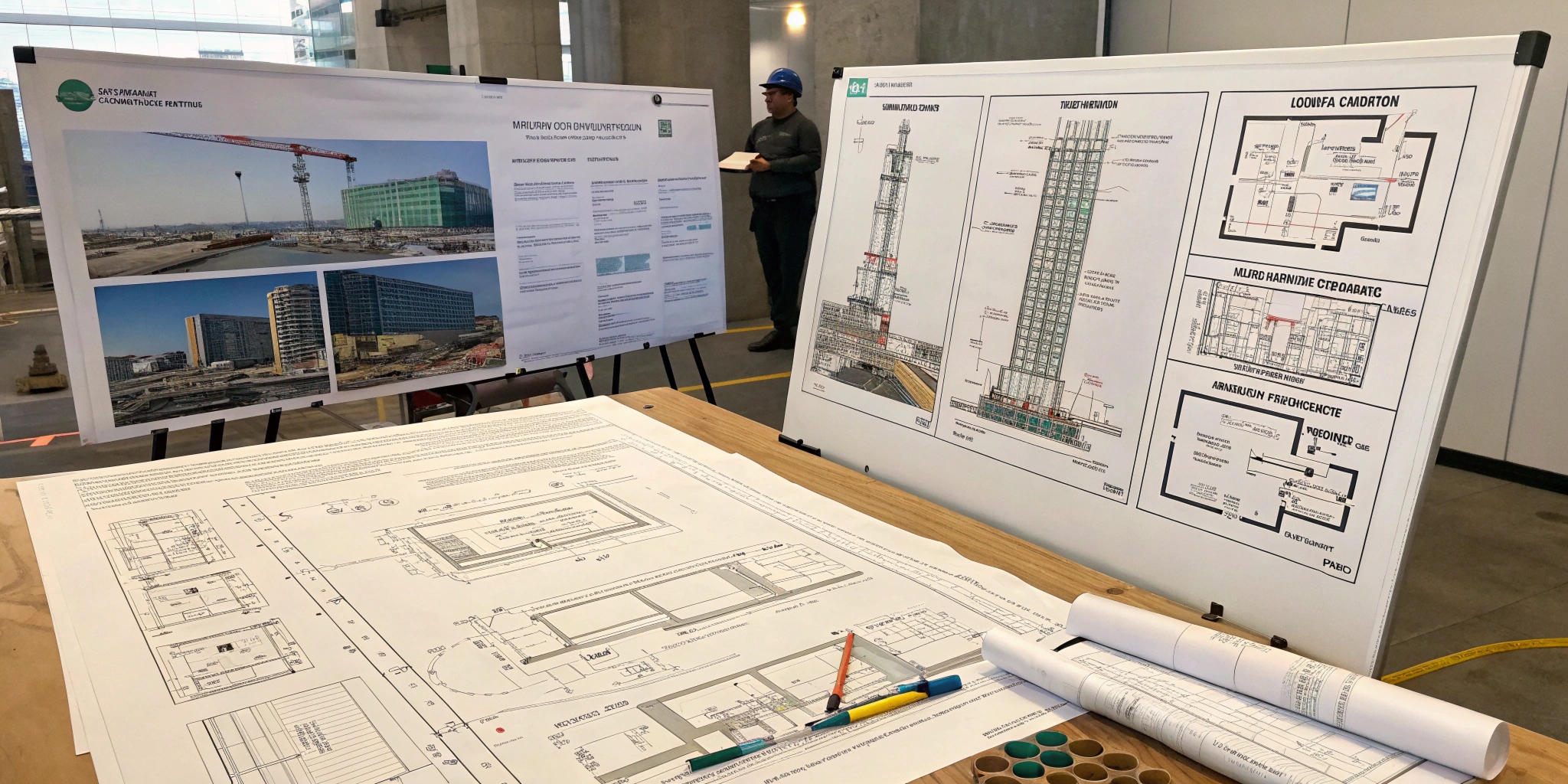
Below is a comparison table to clarify the differences:
| Aspect | IFC Drawings | Shop Drawings |
| Prepared By | Consultant/Designer | Contractor/Subcontractor |
| Purpose | Show final design intent | Show fabrication and installation details |
| Level of Detail | Design-level detail | Fabrication-level detail |
| Approval Status | Issued for construction | Submitted for approval |
| Legal Standing | Contractual document | Execution document |
In modern workflows, especially when guided by a BIM certification course online, professionals are trained to manage these transitions carefully. Misunderstanding the difference can lead to costly site errors.
Workflow Between IFC and Shop Drawings
| Stage | Responsible Party | Description of Activity | Purpose |
| 1. IFC Issuance | Consultant / Designer | IFC drawings are officially issued after design approval. | To release final design intent for construction. |
| 2. Review by Contractor | Main Contractor / Subcontractor | Contractors study IFC drawings and identify areas requiring detailing or clarification. | To plan execution and detect constructability issues. |
| 3. Preparation of Shop Drawings | Contractor / Fabricator | Shop drawings are created with fabrication-level and installation details. | To convert design intent into practical construction details. |
| 4. Submission for Approval | Contractor | Shop drawings are submitted to consultants for technical review. | To ensure compliance with IFC drawings and project specifications. |
| 5. Consultant Review | Consultant / Design Team | Drawings are reviewed, and comments or revisions are issued if required. | To maintain design accuracy and coordination. |
| 6. Revision and Resubmission | Contractor | Necessary corrections are made based on review comments. | To meet approval requirements. |
| 7. Final Approval | Consultant | Approved shop drawings are stamped and cleared for execution. | To authorise fabrication and installation. |
| 8. Fabrication and Installation | Fabricator / Site Team | Work proceeds based on approved shop drawings. | To execute the project accurately on site. |
| 9. BIM Coordination (If Applicable) | BIM Team / Engineers | Models are updated with shop drawing details and clashes are resolved digitally. | To reduce site conflicts and approval delays. |
Key workflow steps include:
- IFC issuance by consultant
- Contractor review and detailing
- Shop drawing submission
- Consultant approval
- Fabrication and site installation
This structured workflow ensures quality control and accountability at every stage.
conclusion
IFC Shop drawings and IFC could appear identical, however, they play distinct and complimentary functions for construction work. IFC drawings specify the design intent that has been approved and serve as contractual references. Shop drawings translate this intent into precise drawings for fabrication and installation.
In the present digital construction world the need to know this distinction is becoming more crucial. As we’ve discussed in BIM Is Being Applied Across Multiple AEC Fields, digital workflows need transparency in the documentation and coordination. Professionals who are pursuing an BIM certification course online, which focuses on BIM for Civil Engineers, or completing an BIM MEP course must be aware of the way IFC and shop drawing work together.
When both types of drawing are utilized correctly projects will run more smoothly and errors are less frequent, and collaboration is improved. In the end, IFC drawings give guidance, and shop drawings are used to execute. Together, they make up the basis of efficient construction project delivery.
Related faq’s
1. What are IFC drawings in construction projects?
IFC drawings (Issued for Construction drawings) are the final approved construction drawings issued by architects or consultants. These drawings communicate the design intent, including dimensions, materials, and layouts, so contractors can begin construction based on the approved plan.
2. What are shop drawings in construction?
Shop drawings are detailed technical drawings prepared by contractors or fabricators that show fabrication details and installation methods. They convert construction drawings into practical instructions for building components on site.
3. What is the difference between IFC drawings and shop drawings?
The key difference is their function. IFC drawings define the approved design, while shop drawings provide fabrication and installation details created by contractors. Both are essential parts of construction documentation used during project execution.
4. Why are IFC drawings important in construction documentation?
IFC drawings are important because they represent the final approved design for construction projects. They act as official construction documentation, guiding contractors, engineers, and site teams during the execution phase.
5. Who prepares IFC drawings in BIM-based construction projects?
In modern BIM workflows, IFC drawings are prepared by architects, structural engineers, and design consultants using coordinated digital models. These models ensure better collaboration across AEC projects.
6. Why are shop drawings necessary before fabrication and installation?
Shop drawings are necessary because they provide detailed fabrication drawings, reinforcement details, connection methods, and installation instructions. This ensures construction components are built accurately and fit properly on site.
7. How do shop drawings improve coordination in BIM projects?
In BIM coordination workflows, shop drawings help detect clashes between architectural, structural, and MEP systems. This reduces errors, improves collaboration, and ensures smoother construction project execution.
8. Do shop drawings require approval before construction?
Yes. Shop drawings must be reviewed and approved by consultants or the design team to ensure they comply with IFC drawings and project specifications before fabrication or installation begins.
9. How are IFC drawings connected to BIM for civil engineers?
In BIM for civil engineers, IFC drawings are generated directly from coordinated digital models. These models improve accuracy, enable better construction planning, and ensure that site teams follow the approved design.
10. How do IFC drawings and shop drawings work together in construction?
IFC drawings provide the approved design framework, while shop drawings translate that design into detailed fabrication and installation instructions. Together, they ensure efficient coordination and accurate delivery of construction projects.
Construction & Drawing Quotes
-
“A successful construction project begins with clear construction drawings and accurate design intent.”
-
“IFC drawings define the vision, while shop drawings bring that vision to life on site.”
-
“In construction, every line on a drawing represents a real decision on the ground.”
-
“Great projects are not built by chance. They are built through precise planning, coordination, and detailed drawings.”
-
“IFC drawings guide construction, but shop drawings make execution possible.”
-
“When design meets execution, construction drawings become the bridge between ideas and reality.”
-
“BIM workflows transform complex construction drawings into coordinated digital intelligence.”
-
“Behind every successful building is a team that understands drawings before touching the ground.”
-
“Shop drawings turn design concepts into fabrication-ready solutions.”
-
“In modern construction, BIM coordination and accurate drawings reduce errors before they reach the site.”
-
“The difference between delays and efficiency often lies in the quality of the drawings.”
-
“Every bolt, beam, and bracket starts as a carefully planned detail in a shop drawing.”
-
“Clear drawings create confident builders and successful projects.”
-
“Digital construction is evolving, but the foundation will always be accurate construction documentation.”
-
“Strong coordination between IFC drawings and shop drawings is the backbone of smooth project delivery.”