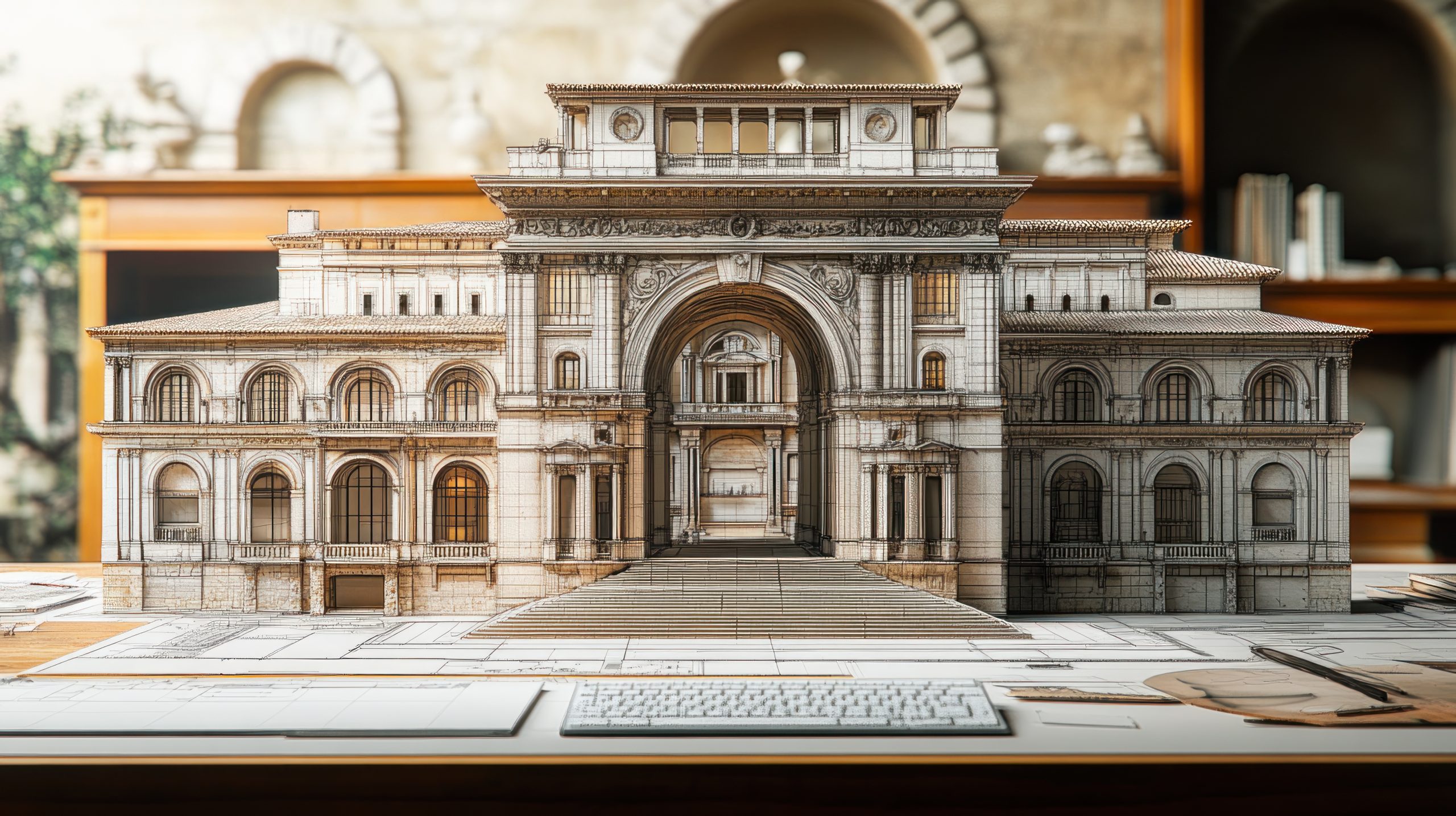
Colonial architecture is a reflection of generations of cultural exchange and craftsmanship. The roots of the style are European colonists who introduced their style to various regions of the globe. This architectural style was influenced by local traditions with climate requirements, as well as readily available materials. It is the result of an architectural style that is stylish and practical, inspiring engineers and architects even today.
Students who are enrolled in a BIM Course, and especially those who pursue the BIM course for engineers and a BIM coordination course, understanding Colonial architecture can provide more than just historical appreciation. It offers lessons in proportion, practicality, and cultural character that could be incorporated by Building Information Modeling (BIM).
Let’s explore five main factors that characterize Colonial architecture and discover how they relate to contemporary BIM practices.
1. Symmetry and Balance
Colonial architecture is renowned for its clean facades. Houses and civic structures typically feature a central entrance, surrounded by windows that are evenly spaced. This pattern resulted in a sense of proportion and harmony that was the signature of the design.
In BIM, the process of recreating symmetry is simple. Coordinators and engineers can design well-balanced layouts and ensure aesthetics and structural precision.
2. Central Entrances and Facade Design
The entrance of Colonial structures was more than an entrance. The entrances often had pilasters, pediments, or decorative moldings that highlighted their importance. These elements created buildings with a formal and warm appearance.
Students taking the BIM coordinator class will be able to examine these design elements to learn how entrances create the atmosphere for the building. Through modeling these features, professionals are taught how to consider past practices while still complying with current construction codes.
3. Adaptation to Climate and Materials
One of the main reasons Colonial architecture was so popular is its capacity to change. Spanish colonial structures in tropical regions had courtyards, red-tiled roofing, and stucco walls that were thick to ensure that interiors were cool. British colonial buildings in warmer climates typically had verandas as well as large windows to let in air.
For students in the BIM course, the modifications emphasize the importance of choosing materials and designs that are climate sensitive. BIM tools enable civil engineers to simulate environmental performance, allowing them to use traditional methods and maximize energy efficiency.
4. Roofs with distinctive profiles
Roofs are another important element. The steeply pitched gabled roofs, also known as hipped roofing, were typical in Colonial structures. They not only gave distinct silhouettes but also offered a long-lasting structure for all weather conditions.
BIM is specifically designed for engineers in civil engineering, and modeling roof structures shows the ways traditional designs can be used in conjunction with contemporary calculations. By using BIM professionals, they can model the effects of drainage, loads, and thermal performance, connecting old-fashioned design concepts with the latest construction standards.
5. Fireplaces and Chimneys
Colonial homes typically had large chimneys and prominent fireplaces. They were vital for heating, but also as focal points of architecture. As time passed, they became the symbol of permanence and comfort.
With BIM, professionals can design these features in depth to ensure security standards are maintained while preserving their historical significance. For those who are taking the BIM coordinator course, it demonstrates how digital workflows can be aligned with traditions and current demands.
Why Colonial Architecture Still Matters
Colonial architecture demonstrates how design adapts to changes in the environment, cultural context, function, and even the environment itself. Its fundamental elements — symmetry, adorned entrances, climate-based modifications, distinct roofs, and functional fireplaces — are still relevant today in design debates.
In bringing these traditions together, BIM professionals can gain more than just technical knowledge. They can learn to integrate the cultural and historical context into contemporary construction. When studying a BIM program or using BIM for civil engineers or coordinating projects with the BIM Coordinator course, understanding architectural heritage enhances the design process and execution.
Final Thoughts
Colonial architecture isn’t just about style, but it also represents an ideal of balance, practicality, and adaptability. For architects, engineers, and BIM experts, these lessons are still relevant.
By using BIM, we can keep the fundamentals of Colonial Architecture while meeting contemporary requirements for sustainability, safety, and efficiency. For professionals and students alike, mixing the past with modern technology can lead to more informed and thoughtful design.