Key Takeaways
- You can start learning BIM right after 12th without coding or advanced mathematics.
- A structured Revit BIM course builds practical, job-ready skills in digital building planning.
- Training in BIM software for civil engineers prepares you for real construction projects.
- Advanced exposure through a BIM 360 training course strengthens coordination and collaboration skills.
- BIM offers strong long-term career growth, from entry-level roles to specialist and leadership positions.
Deciding on the best path to follow the technical skill after 12th grade can seem overwhelming. Most students are told to choose between pursuing an academic degree, or go into IT-related jobs and coding. However, there is a different technology-related path that is practical, based on industry trends and directly related to real-world construction and infrastructure projects. This expertise is focused on the digital planning of buildings and coordination and the execution of projects using sophisticated tools widely used by the industry of construction.
If you’ve already studied issues such as BIM as a Skill After 12th or you are interested in how students transition From Classroom to Construction Site, this career path is a perfect fit for both. It enables you to start learning right after the 12th grade and gain practical experience and then gradually advance to higher-level managerial and technical roles. Let’s look at why this ability is beneficial and how it could shape the future of your career.
Why This Technical Skill Makes Sense After 12th
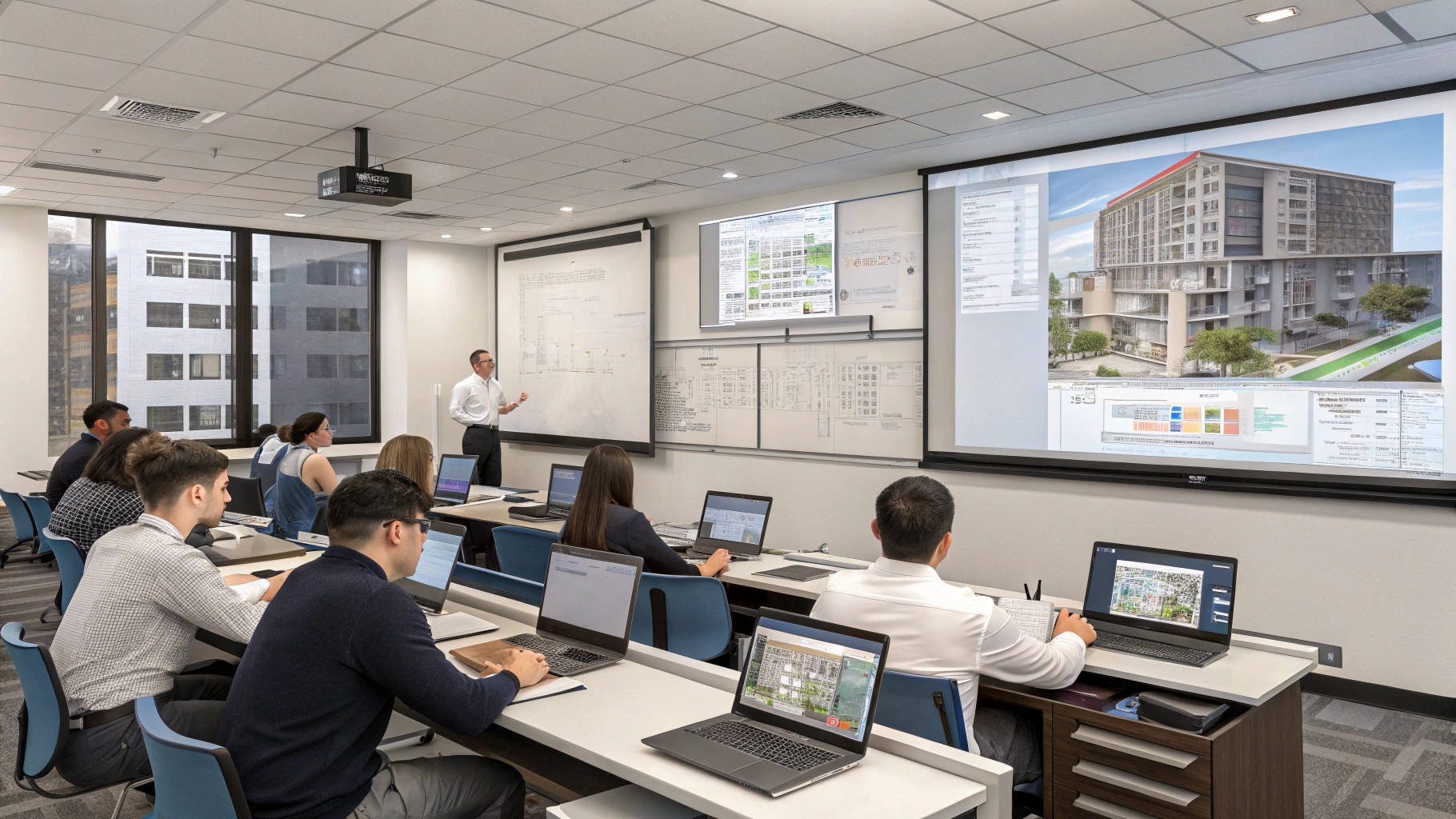
When they finish 12th grade students typically face an in-between of the educational level and their ability to work. Degrees can take years to complete and careers in coding require a certain passion and ability. Learning digital construction technology can be the fastest, most skill-focused path into the workforce. As opposed to waiting for three to four years to be ready for work, students can begin the process of learning and developing their portfolios in a matter of months.
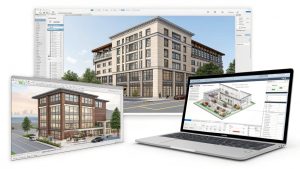
This option is particularly beneficial for students who are interested in architectural, civil engineering or construction and need to get a first glimpse of real-world projects. Participating in a structured Revit BIM course lets students learn how buildings are built and recorded digitally. Instead of focusing solely on theoretical aspects, the program includes real-world drawings, 3D models and coordination workflows that are used in professional settings.
Another reason why this ability is logical is the industry demand. Infrastructure and construction projects are increasingly dependent on digital tools for planning to minimize errors and increase efficiency. Employers prefer applicants who know how digital models function and how drawings are created and how teams work together. Students who begin their studies early gain an advantage in competition.
Key Benefits After 12th
- Early exposure to tools used in the industry
- Rapider development of skills when compared with only degree-based paths
- Opportunities to participate in live simulations of projects
- Greater clarity regarding construction and civil engineering careers
- The growth of portfolios is based on the principles instead of only theory-based learning
Comparison: Traditional Path vs Skill-Based Technical Path
| Factor | Traditional Degree Only | Technical Skill After 12th |
| Time to Employability | 3-4 years old | A few months up to one year |
| Focus | Theory-heavy | Project-based and practical |
| Industry Exposure | Very limited early exposure | Training that is hands-on and early |
| Portfolio Development | Rare | A solid portfolio that is practical and effective |
| Career Clarity | Often delayed | Early gains |
This method helps bridge the divide between academic instruction and practical application, assisting students make the transition to professions.
Must read: Boost Your Career with a Certified BIM program Today
No Coding or Advanced Mathematics Required
One of the most common misconceptions students face regarding technical careers is that they require programming or advanced math. This particular ability does not require coding skills. It focuses on gaining knowledge of the design coordination, building components and digital documenting procedures.
Students require only basic computer skills and a keen interest in learning new technologies. The software used for classes, such as BIM software for civil engineers is designed to make simpler construction procedures. Instead of writing code students learn how to design digital models, create drawings and manage project data visually.
This makes it extremely accessible to those who aren’t inclined to programming. Anyone who has had difficulty with mathematics at higher levels in school is able to adjust easily because they can integrate the math into the programs. Learning is guided steps-by-step, beginning with the basic concepts in drawing, modeling and drafting.
What You Actually Need
- Basic computer skills
- Construction and building projects are a major focus for many people.
- Willingness to regularly practice
- Attention to detail
- Interest in understanding how projects are constructed
What You Don’t Need
- Knowledge of Coding
- Advanced calculus
- Engineering degree needed to begin
- Previous experience in the industry
This is a huge psychological hurdle for many students. They are aware that a technical job doesn’t necessarily mean complicated equations or programming. It could also involve learning structured workflows and digital planning systems that are commonly employed in construction firms.
What You Will Actually Learn in the BIM Course
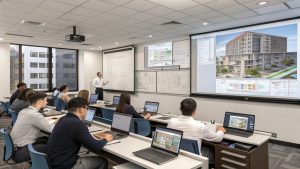
When students are enrolled in organized training, they frequently wonder what exactly they’ll be learning. A well-designed course teaches the fundamental concepts before moving on to advanced coordination techniques. For instance an Revit BIM course exposes participants to 3D modeling and drawing creation and documents employed in construction projects.
As they advance, they examine coordination between structural, architectural and service elements. Advanced training courses, like the BIM 360 training course will teach cloud-based collaboration and workflows for managing projects. The modules aid students in understanding how teams collaborate across different locations and can manage updates to projects in real-time.
Core Modules Typically Covered
| Module | What You Learn |
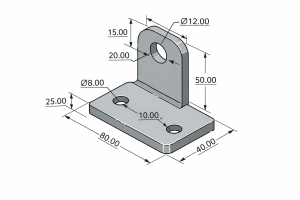
| Basics of Digital Modeling | The construction of walls, floors roofs and structural elements |
| Drawing & Documentation | Generating elevations, plans Sections, and elevations |
| Coordination Concepts | Integration of workflows and detection of clashes |
| Project Collaboration | Cloud-based coordination systems |
| Standards & Best Practices | Industry-level documentation formats |
The objective isn’t just to run software, but to comprehend the flow of projects. Students are taught how changes to design influence drawings and revisions, how they are handled and how coordination can improve efficiency. This knowledge-based approach increases confidence and helps prepare students for the real world.
At the end of their course, students usually create an introductory portfolio that showcases their models of their projects and documentation. The portfolio is a great tool when applying to jobs or internships.
Understanding Digital Building Planning
The digital building design process is the core of this technological ability. Instead of creating buildings with just 2D sketches, experts are now able to create sophisticated 3D models which store information about the materials, dimensions and structural elements. The models are more accurate and help reduce costly errors on site.
Through structured instruction with BIM software for civil engineers Students are taught how to visualize a building’s entire structure prior to construction beginning. They are able to see how structural systems are integrated with the design of architectural plans and layouts for services. This integration is crucial for modern infrastructure projects.
Digital planning is also a way to collaborate. Teams work together on shared models, and update information in real-time. This helps prepare students for working workplaces where coordination and teamwork are crucial.
Why Digital Planning Is Important
- Reduces construction errors
- Improves project coordination
- It saves time and money.
- Enhances visualization
- Improves efficiency of large-scale projects.
Digital Planning vs Traditional Drafting
| Traditional Drafting | Digital Planning Approach |
| 2D drawings only | Intelligent 3D models |
| Limited coordination | Teams can collaborate seamlessly |
| More chance of design clashes | Early detection of clashes |
| Manual revisions | Automated updates |
| The less visualization | Realistic visualization |
Students who master digital planning at an early age gain a better understanding of construction processes. This knowledge is the base for a long-term expansion in the construction industry.
From Beginner to Specialist Roles
The 12th grade is not the only time to start, but it is not a guarantee of staying at an entry-level level for the rest of your life. This skill can be used to provide clear pathways to progression. Students usually start as junior modelers or trainees helping with project modeling and documenting.
After gaining experience, they are able to shift into coordination roles in charge of project integration and managing the design of updates. As time passes, they could become senior coordinators, project leaders or perhaps even construction management managers in digital form.
Career Growth Path
- Trainee Modeler
- Junior BIM Technician
- BIM Coordinator
- Senior Coordinator
- Project Manager or Digital Lead
The growth of a business depends on the development of skills and experience and continual learning. Advanced certifications such as a BIM 360 training course improve management and collaborative capabilities.
Long-Term Career Advantages
- Demand for infrastructure projects is stable
- Opportunities in global and domestic markets
- Management and leadership roles
- Exposure to large-scale construction projects
- A solid technical base
This is a clear example of how students can transition from Classroom To Construction Site effectively. Beginning early can allow the development of skills gradually and exposure to the industry, and steady growth in their careers.
Final Thoughts
Making a choice to learn a new skill following 12th grade doesn’t always involve coding or waiting for years for education-related opportunities. Digital construction planning can provide an effective well-organized, job-ready path. With options for training such as an Revit BIM course and the opportunity to use BIM software for civil engineers and collaborative programs like the BIM 360 training course Students can learn the skills needed to be job-ready early.
For those who are considering using BIM as a Skill After 12th the approach is one that combines clearness, employmentability, and growth over the long term. It bridges the gap between academics and real-world demands in the workplace, allowing students to build a long-lasting and fulfilling career.
Frequently Asked Questions (FAQs)
- Can I learn BIM after 12th?
Yes, you can start learning BIM after completing 12th grade. Many institutes offer beginner-level courses designed specifically for students who have no prior experience. - Is BIM a good career option after 12th?
Yes. BIM offers strong career growth in construction, civil engineering, and infrastructure industries. It is a practical, job-oriented skill with increasing demand globally. - What is the eligibility to join a BIM course after 12th?
The basic eligibility is completion of 12th grade. Science background is preferred, but not always mandatory. Basic computer knowledge is usually enough. - Do I need coding knowledge to learn BIM?
No, BIM does not require coding skills. It focuses on digital modeling, coordination, and construction workflows rather than programming. - How long does it take to complete a BIM course?
A beginner-level BIM course can take anywhere from 3 to 6 months, depending on the depth of training and practice. - What software is taught in a BIM course?
Most courses include tools like Revit, Navisworks, and collaborative platforms such as BIM 360, depending on the training level. - What jobs can I get after learning BIM?
You can apply for roles such as BIM modeler, junior BIM engineer, BIM technician, or project coordinator in construction and engineering firms. - What is the salary after completing a BIM course?
Entry-level salaries vary by city and company, but BIM professionals generally earn competitive pay, with higher growth as experience increases. - Can I learn BIM along with my engineering degree?
Yes. Many students pursue BIM training alongside civil engineering or diploma programs to improve their employability. - Is BIM better than a civil engineering degree?
BIM is not a replacement for a degree but a practical skill that enhances career opportunities. Many professionals combine both for better growth. - Is BIM in demand in India?
Yes. With the growth of infrastructure and smart city projects, BIM adoption is increasing in India and internationally. - Which is the best BIM course for beginners after 12th?
The best course is one that offers practical training, real project exposure, updated software tools, and placement support.
Related quotes
- “The future belongs to those who learn practical skills early and apply them wisely.”
— Bill Gates - “Success comes from building real things, not just studying them.”
— Elon Musk - “Skills that solve real-world problems will always be in demand.”
— Sundar Pichai - “You don’t need to follow the traditional path to build an extraordinary career.”
— Steve Jobs - “Learning by doing is the most powerful way to prepare for the future.”
— Richard Branson - “Opportunities come to those who are ready with the right skills at the right time.”
— Ratan Tata - “Innovation begins when knowledge meets practical application.”
— A. P. J. Abdul Kalam - “Don’t wait for years to start your career. Start building it today.”
— Mark Zuckerberg - “The best careers are built on skills that create value in the real world.”
— Narendra Modi - “Technology is most powerful when it improves how we build and live.”
— Satya Nadella