Introduction
As cities across the globe face increasing population, shrinking space, and the need for sustainable development, architects are reinventing the skyscraper as much more than a tall office building. In the new age of vertical urbanism, Zaha Hadid Architecture’s Tower C in Shenzhen provides a futuristic illustration of how mixed-use buildings can transform into self-contained ecosystems that are “vertical cities” that combine work and leisure, culture and community into a single, dynamic building.
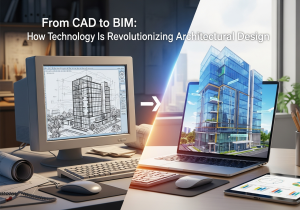
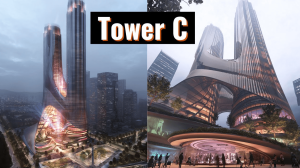
Located in the Shenzhen Bay Super Headquarters Base, Tower C represents a seamless blend of creativity, efficiency, sustainability, and design. Its twin towers, which span over 400m, are redefining the way architecture is integrated into urban life. The inspiration behind these visionary designs is the power of digital workflows, specifically Building Information Modeling (BIM) and BIM Training, that have revolutionized the way that complex skyscrapers are designed, coordinated, and constructed.
The Rise of Vertical Urbanism
Throughout this century, towering buildings were a symbol of power and engineering. But the challenges of today’s cities require more than just tall buildings; they need the integration of sustainability and maintenance. Cities such as Shenzhen, Singapore, and Dubai are encouraging engineers and architects to create vertical structures that blend commercial, residential, and cultural uses within a compact footprint.
The ethos of Tower C aligns perfectly with this idea. It’s more than just a building; it’s a micro-city designed to meet the diverse needs of its residents and minimize environmental impact. The development of these intricate, multifunctional structures is only possible with BIM-enabled collaboration that connects engineers, architects, and planners in a single digital space.
Zaha Hadid Architects’ Vision for Tower C
Zaha Hadid Architects (ZHA) has been at the forefront of parametric design and advanced modeling. Tower C reflects their signature blend of fluid geometry, digital precision, and environmental knowledge.
The flowing shape of the project, influenced by natural structures, conveys the concepts of movement and interconnection. The twin towers, connected by sky bridges and terraced zones, blur the lines between public and private areas. By using BIM technology, the design team coordinated every aspect — from the curvature of the facade to structural alignment —ensuring the building is sustainable, efficient, and of high construction precision.
For professional designers and students, BIM Training has become vital for mastering the data-driven design techniques that ZHA used to bring Tower C to life.
Design Philosophy: A City Within a City
At its core, Tower C symbolizes a “city within the structure.” Each level is designed to serve specific purposes, such as hotel rooms, office spaces, cultural and retail spaces, and landscaping terraces, all connected by intelligent circulation and standard amenities.
- Multi-purpose: The tower serves leisure, work, and community spaces, encouraging interaction and accessibility.
- Public connection: The elevated areas and sky terraces offer opportunities for cultural and social interaction.
- Design that bridges: The twin towers represent the fluidity of cooperation and a forward-thinking urbanism.
In many ways, Tower C represents the strategic direction for architecture education and practice, where BIM expertise and training are essential for professionals who wish to manage complex, mixed-use projects efficiently.
Architectural Highlights
Tower C’s design is a demonstration of art and engineering excellence. The aerodynamic façade minimizes wind, helps reduce energy consumption, and emphasizes transparency and lightness.
1. Fluid Geometry
The smooth curves of the tower are generated using parametric and BIM-based models that enable architects to simulate environmental forces and improve the performance of their designs. The result is a shape that’s both efficient and visually stunning.
2. Sky Bridges and Shared Platforms
The bridges that connect the towers aren’t just structural links; they’re social spaces designed for leisure, collaboration, and cultural exchange. They are “vertical courtyards” that show how intelligent design and the digital integration of BIM can transform the human experience in high-rises.
3. Transparency and Openness
The expansive glass facade provides breathtaking views and a feeling of space, which reflects ZHA’s belief that architecture creates connection instead of separation.
Sustainability and Smart Technology
In contemporary architectural design, environmental sustainability and intelligent design are inextricably linked. Tower C integrates cutting-edge environmental technology and digital technologies to help reduce its environmental footprint.
- Natural Ventilation and Daylighting
The aerodynamic structure, designed in BIM software, provides high-quality daylight exposure, reducing reliance on mechanical systems.
- Green Terraces and Water Efficiency
The terraced platforms house native plants, enhancing the quality of the air and reducing heat gain. Systems for recycling water and rainwater harvesting also improve sustainability.
- Renewable Energy Integration
Solar panels and sophisticated building management systems enable efficient energy use. By using BIM coordination, designers can anticipate the performance of their building far before construction even begins and ensure efficient cost management and environmental accountability.
Enhancing Urban Life and Connectivity
Unlike traditional skyscrapers, which separate residents, Tower C integrates seamlessly into the Shenzhen public realm. Tower C is directly connected to green spaces, transit lines, and pedestrian walkways, increasing walkability and reducing reliance on cars.
- Retail spaces and public plazas make use of the ground.
- The communal lounges and cultural hubs allow interaction between employees, residents, and visitors.
- Sustainable transit accessibility aligns with the city’s low-carbon goals.
For planners, architects, and designers looking to create similar environments, BIM Training provides a digital platform to coordinate large-scale urban projects effectively and sustainably.
Economic and Cultural Significance
Tower C is a key part of the Greater Bay Area strategy, symbolizing Shenzhen’s growth as a leading design and technology hub. Its multi-use design allows for 24/7 activities — a characteristic of a resilient, future-proof city.
By combining architectural beauty with digital precision and community value, Tower C demonstrates how BIM-powered workflows can bring visionary ideas to life. For new professionals, obtaining BIM Training is key to participating in these top-quality projects that blend creativity, efficiency, and sustainability.
A Blueprint for the Future
Tower C sets a precedent for the future of high-rises — ones that aren’t only tall but also intelligent, sustainable, and socially stimulating. It demonstrates that using advanced tools such as Building Information Modeling and proper BIM training, architects can design structures that blend function, form, and sustainability.
Zaha Hadid Architects have not created a landmark, but they’ve also created an example that is living and breathing of what the future cities will be: a vibrant, vertical, and futuristic.
Conclusion
Tower C by Zaha Hadid Architects symbolizes the transformation of the traditional tower into a vertical city, which is a blend of technology, design, and sustainable development. While BIM continues to transform the way architects design and construct projects, Tower C illustrates the unending possibilities of digital technology.