Engineering isn’t just limited to drawings, calculations and the execution of site plans. The landscape has shifted toward a more connected, data-driven, and technology-integrated environment. Nowadays, success is not solely on technical expertise and how engineers can adapt to the digital revolution. This is the place where Digital Skills Every Modern Engineer is required. These abilities help bridge gaps between conventional engineering practices and the rapidly changing demands of modern-day projects.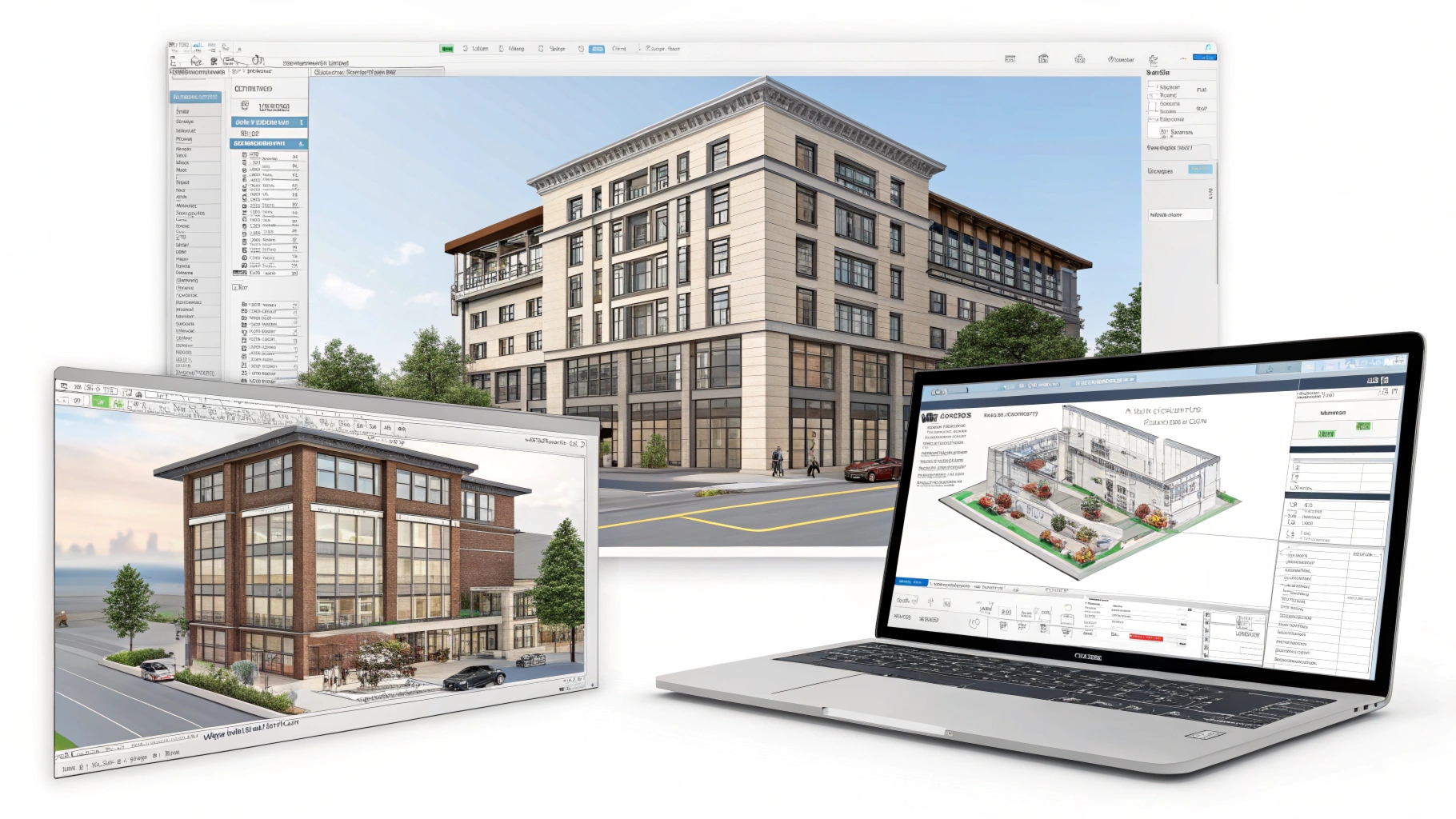
From the development of infrastructure to designing products Engineers are expected to work using digital tools, analyze data, and incorporate automatization into their workflows. If you’re a newbie entering the field or an experienced professional who wants to stay relevant, developing these skills is vital. Let’s look at the most important aspects that will determine the future of engineering careers into 2026.
Why Digital Skills Matter for Engineers
Engineering isn’t limited to drawings, calculations, or physical performance. The profession has developed into a field of study that is a mix of technical knowledge and must be complemented by digital proficiency. By 2026 the need of Digital Skills Every Modern Engineer requires is driven by the increasing automation of work, globalization and the ever-growing complex nature of projects. Engineers will not just design and construct but also analyse data and work across digital platforms, and adjust to rapid-changing technology. The value of digital capabilities is in their efficiency, accuracy, and creativity. Traditional workflows can result in delays, miscommunication and overruns in cost. However, engineers who are equipped with the latest digital tools can improve processes, cut down on errors, and make better decisions in real-time. Cloud-based collaboration software, simulation software, and predictive analytics. These tools enable engineers to remain competitive in a highly-competitive environment.
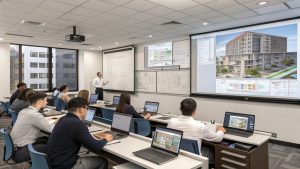
Another reason why digital skills are important is the growing multidisciplinary collaboration. Engineers today collaborate with data researchers, software developers, and AI experts. Without a solid foundation in digital technology, it is challenging to effectively communicate and effectively contribute to these teams. This is why the structured learning paths like the one from Classroom To Construction Site, play a crucial role in connecting the theoretical and practical applications.
Furthermore, companies are looking for professionals who can be adapted to digital changes. Employers seek engineers who are not only technically competent, but also agile digitally. Platforms for learning that provide online BIM certificate programs or training courses are now essential steps to advancing your career. These programs give hands-on experience to workflows and tools which can be applied directly to real-world projects.
Building Information Modeling (BIM) and Digital Construction Skills
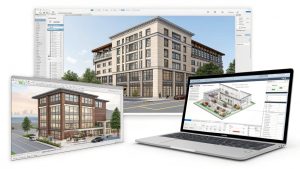
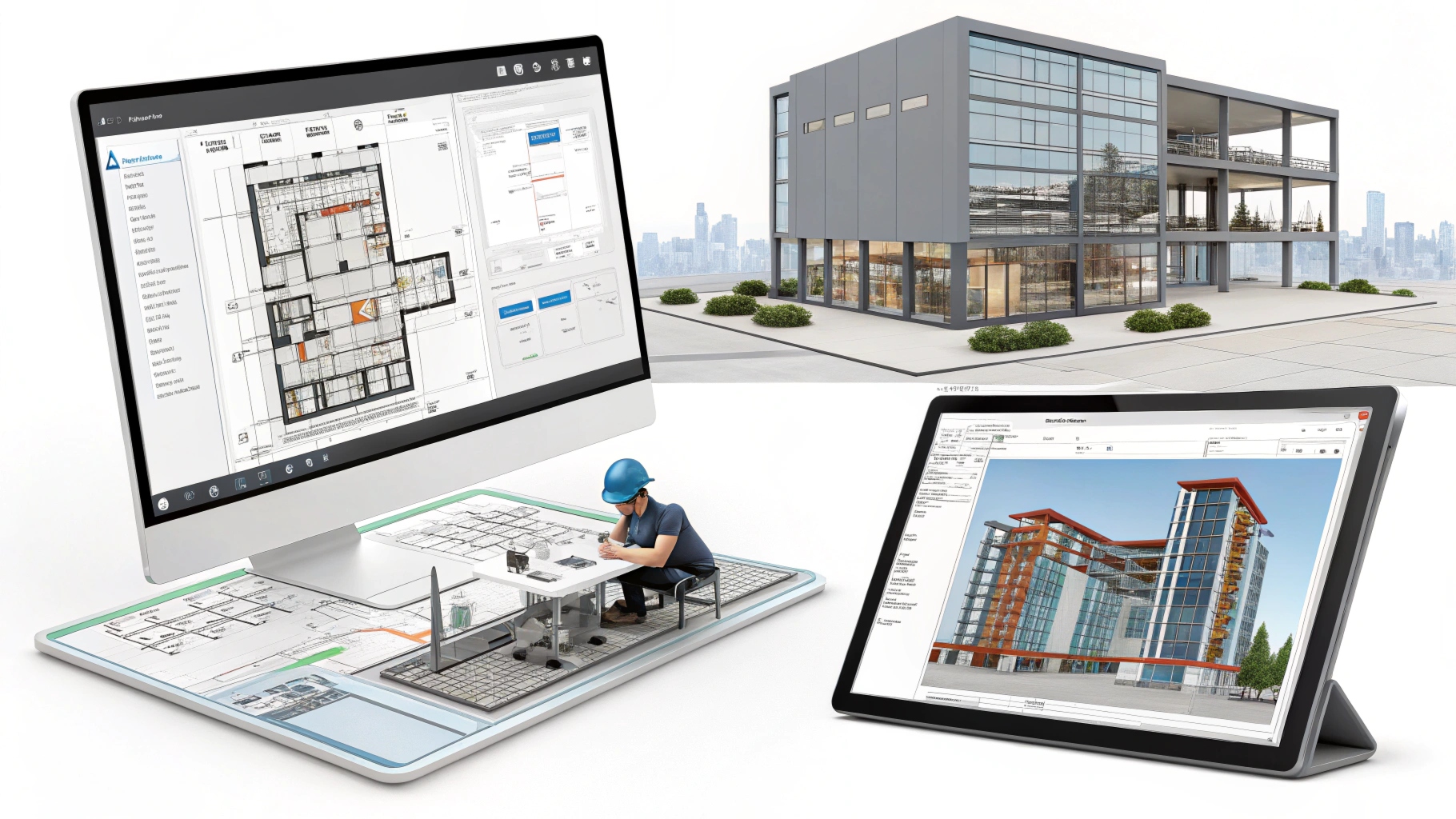
Building Information Modeling (BIM) has become the foundation of modern infrastructure and construction development. It extends beyond 3D modelling by connecting design, data along with project management, into one digital space. Engineers must master BIM can no longer be a luxury but is a must to acquire Digital Skills Every Modern Engineer must have.
BIM lets engineers visualize the entire project prior to construction beginning. This helps reduce uncertainty, identify potential conflicts and increase coordination among all stakeholders. Engineers who have been trained in BIM can model the construction process, estimate costs with precision and effectively manage resources. These capabilities greatly improve projects’ outcomes and minimize the risks that traditional methods pose. One of the greatest benefits of BIM is its ability to collaborate. Multiple teams can collaborate on a model that is shared in real-time, ensuring transparency and uniformity. This is especially useful for large-scale projects where coordination among structural engineers, architects, and contractors is crucial. Professionals who take BIM training for architects and related engineering courses gain an advantage by understanding perspective of design and execution.
To better comprehend the effects of BIM Consider the following examples:
| Aspect | Traditional Methods | BIM-Based Approach |
| Design Visualization | 2D Drawings | 3D Integrated Models |
| Collaboration | Limited | Real-Time Collaboration |
| Error Detection | Late Stage | Early Detection |
| Cost Estimation | Approximate | Data-Driven |
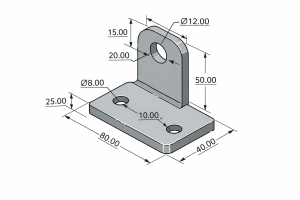
In addition, tools such as those used in the Civil 3D course help engineers incorporate the design of roads, terrain models and infrastructure planning in BIM workflows. This improves accuracy and lets engineers deliver projects that are in line with environmental and technical requirements.
In the end, BIM is redefining how construction projects are planned and carried out. Engineers who put their time into learning about BIM tools are better prepared to tackle the challenges in modern-day infrastructure construction.
MUST READ: Why Students Are Choosing BIM as a Skill After 12th
Data-Driven Decision Making in Engineering Projects
Data is now among the most valuable resources in the field of engineering. From designing optimization to management of projects, data-driven methods have changed the way decisions are taken. Building Digital Skills Every Modern Engineer needs to be able to collect data, analyze and interpret information effectively.
In engineering projects and projects, decisions are made on the basis of intuition or experience are no longer enough. With the advent of real-time information engineers can track performance, predict outcomes and make adjustments in a proactive manner. For instance, sensors incorporated in structures can provide constant feedback on temperature, stress and load condition. The information provided by engineers helps to ensure safety and improve maintenance schedules. The use of analytics tools in the integration process allows engineers to spot patterns and patterns that could otherwise be overlooked. Utilizing dashboards and other visualization software, large data sets can be reduced to useful information. This can not only increase efficiency, but also increases the precision of planning and project execution.
The benefits of engineering based on data include:
- Accurate forecasting and planning
- Risk management has been improved
- Faster decision-making processes
- Better allocation of resources
Educational initiatives, such as online BIM certificate programs typically include data analytics components, which help engineers to understand how to incorporate information into workflows. These programs are focused on practical applications, which ensures that engineers are able to apply their theoretical knowledge to real-world solutions.
Additionally, the transition from Classroom To Construction Site becomes smoother when engineers are taught to utilize data efficiently. They can use analytical tools to tackle difficult problems and are therefore invaluable assets to any business.
In an age where data is generated constantly and analyzed, those who are able to tap its potential will pave the way to the development of technology and improve effectiveness.
AI and Machine Learning Literacy for Engineers
Artificial Intelligence (AI) and Machine Learning (ML) are altering the design landscape. With predictive design to automatized processes for designing AI and ML are becoming an integral part to the modern workflow. Knowing AI is a crucial element of Digital Skills Every Modern Engineer should acquire. AI can help engineers automate repetitive tasks which allows them to focus on more creative and complex elements of work. For example, machine-learning algorithms can analyse previous data to predict the likelihood of equipment failure, which can reduce the time it takes to repair and the cost of maintenance. In the same way, AI-driven design tools are able to design optimal solutions that are based on specific requirements and constraints.
Engineers don’t need to be AI experts however they should possess a basic understanding of the way these systems function. This is a prerequisite for understanding algorithms, data inputs and the interpretation of output. By having this knowledge, engineers are able to collaborate effectively with AI experts and incorporate intelligent systems into their work.
Training programs like BIM training for architects have been increasing including AI modules. They are demonstrating that machine learning is able to improve efficiency and design accuracy. These programs provide real-world applications that make it simpler for engineers to implement AI to improve their routines.
The applications that make use of AI in engineering are:
- Predictive maintenance
- Automated design optimization
- Control of quality through image recognition
- Smart infrastructure management
As engineers transition from Classroom To Construction Site, AI tools aid in bridging the gap between the two. They help solve problems faster and provide insight that was previously unavailable.
Integrating AI into engineering workflows isn’t just about ensuring that you are relevant. It’s about enabling new possibilities, and bringing about innovations across all sectors.
Cybersecurity Fundamentals in Everyday Development
As the field of engineering is becoming increasingly digital, cybersecurity has become an issue of paramount importance. Engineers are no longer responsible just for the construction of systems, but also for their security. Making sure they are aware of cybersecurity is a vital element of Digital Skills Every Modern Engineer should acquire.
Modern engineering projects are heavily reliant on interconnected systems, cloud platforms along with IoT devices. Although these technologies provide many advantages, they also bring weaknesses. A single security breach could affect sensitive data and disrupt operations and cause massive financial loss.Knowing the basics of cybersecurity helps engineers recognize potential threats and take preventive measures. This includes safe code practices, data encryption and protocols for network security. Engineers also need to stay informed about new threats and the best methods to protect themselves effectively.
Courses such as ones like the Civil 3D course are beginning to incorporate cybersecurity components which emphasize the importance of safeguarding digital models and project information. This ensures that engineers are well-equipped to deal with security concerns in real-world situations.
The most important security practices for engineers in the field of cybersecurity:
- Use strong authentication methods
- Always update systems and software.
- Encrypt sensitive data
- Conduct security audits
Programs like online BIM certificate programs also emphasize security-conscious collaboration, which ensures that the shared data and models are secure.
The process of transitioning From Classroom to Construction Site now includes understanding how to secure digital assets. Engineers who focus on cybersecurity can help build resilient and reliable systems.
Human-AI Collaboration in Engineering Workflows
The future of Engineering is in the collaboration with humans andAI. In contrast to replacing engineers, AI is a potent instrument that can enhance their capabilities. The ability to collaborate is a crucial element of Digital Skills Every Modern Engineer must focus on.
Human-AI collaboration leverages two strengths from both. While AI excels at processing huge datasets and identifying patterns humans are able to bring in creativity, insight and critical thought. Together, they are able to achieve outcomes that neither would be able to achieve on their own. In a practical sense it involves the use of AI tools to aid in decision-making to automate routine tasks and provide insight. Engineers then can utilize these insights to refine designs, tackle complex issues and invent. For instance, AI can suggest multiple designs and engineers are able to choose the most appropriate one based on context.
Training programs such as BIM training for architects focus on this approach of collaboration, demonstrating how AI can improve the design and construction process. These courses prepare engineers to collaborate with intelligent systems efficiently.
Human-AI collaboration has many benefits:
- Productivity increases
- Improved accuracy
- Rapider and more innovative
- Better decision-making
When engineers make the transition from classroom to Construction Site, they must be able to trust and use AI tools while retaining the control over crucial decisions. This will ensure that AI tools are an enabler, not replacing.
The ability to work with AI will determine the future generation of engineers and will make AI an essential skill in the age of technology.
Conclusion
The field of engineering is experiencing radical change, fueled by the digital revolution and changing requirements of the industry. Learning Digital Skills Every Modern Engineer is no longer a luxury and is essential to remain current and competitive in 2026 and beyond.
From learning about BIM and analytics on data, to comprehending AI and cyber security, every ability contributes to an efficient and creative workflow. Engineers who adapt to these trends are better prepared to manage difficult projects, collaborate efficiently, and produce high-quality outcomes. Educational options like online BIM certificate programs, BIM training for architects and the Civil 3D course provide valuable opportunities to learn these abilities. They will allow engineers to seamlessly move from the classroom to the Construction Site, applying their expertise in practical situations.
The future is ultimately up to those who can be flexible, technologically adept, and innovating. By investing in the best capabilities today, they will be able to create the future with confidence and aplomb.
Quick FAQs
- What is BIM and how does it work?
Building Information Modeling (BIM) is a digital process that creates intelligent 3D models of a project. It integrates design, construction, and operational data, helping engineers collaborate, detect issues early, and manage projects more efficiently. It’s a core part of Digital Skills Every Modern Engineer should understand.
- Is BIM a good career in 2026?
Yes, BIM is one of the fastest-growing career paths in engineering. With rising demand in infrastructure and smart construction, BIM professionals enjoy strong job opportunities, competitive salaries, and global career scope.
- How can I become a BIM engineer in India?
Start with a relevant degree in civil engineering, architecture, or construction, then build practical skills through online BIM certificate programs. Hands-on training and real project exposure will help you transition smoothly From Classroom to Construction Site.
- Which BIM software should I learn first?
Beginners usually start with Autodesk Revit for modeling, followed by tools like Navisworks for coordination and clash detection. A structured learning path, such as BIM training for architects, can help you master these tools effectively.
- What is the difference between BIM and CAD?
CAD focuses on 2D drawings and basic 3D designs, while BIM creates data-rich 3D models with real-time collaboration. BIM is more advanced and supports the full lifecycle of a project, making it essential in Digital Skills Every Modern Engineer toolkit.
- What are 4D, 5D, and 6D BIM?
- 4D BIM adds time (project scheduling)
- 5D BIM includes cost estimation
- 6D BIM focuses on lifecycle and facility management
- These dimensions help engineers plan, budget, and manage projects more effectively.
- How is BIM used in real construction projects?
BIM is used for clash detection, design coordination, quantity takeoff, and project visualization. It helps teams identify problems before construction begins, saving time and cost.
- How does BIM work with AI and digital twins?
BIM integrates with AI to automate design analysis and predict risks, while digital twins create real-time virtual replicas of physical assets. Together, they enhance decision-making and project efficiency.
- What skills are required for BIM jobs?
Key skills include 3D modeling, coordination, data handling, and basic automation. Learning tools through a Civil 3D course or BIM-focused training can significantly improve job readiness.
- What are the biggest challenges in BIM implementation?
Common challenges include software compatibility issues, data exchange problems, high initial costs, and lack of skilled professionals. Proper training and adoption of standardized workflows can help overcome these barriers.